
Author: Cansu
-
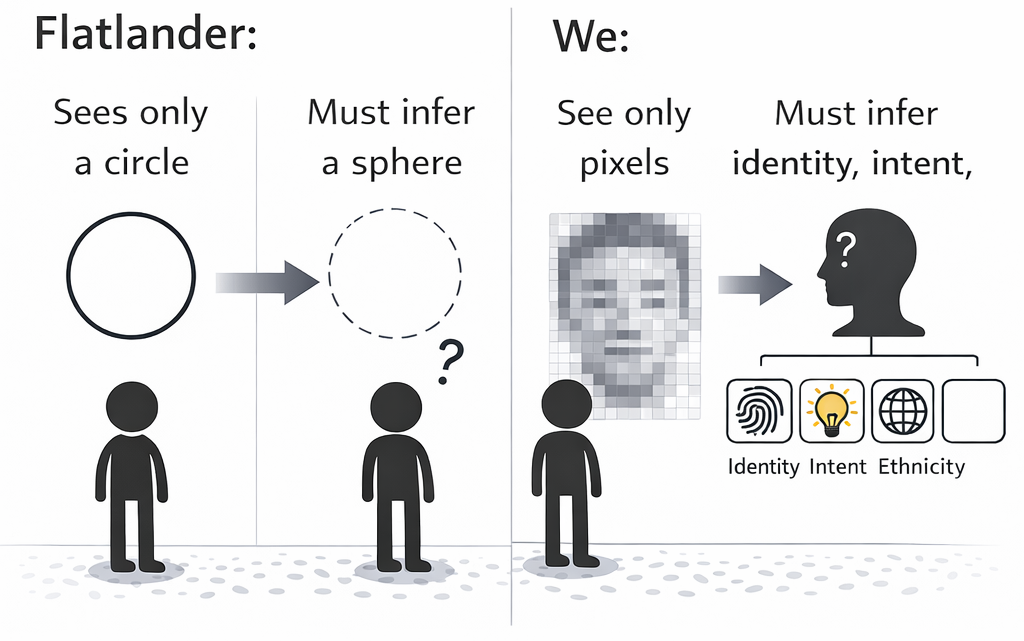
We Are All Flatlanders
On cross-sections, social cognition, and the dimensions we can’t see In 1884, Edwin Abbott imagined a world called Flatland. Its inhabitants exist in only two dimensions.No up. No down. No depth.Just an endless, flat plane. One day, a three-dimensional sphere passes through their world. The Flatlander sees a dot growing into a circle, then shrinking…
-

The Turkish Coffee-Reading Dilemma: Why Some See Futures, Others See Stains
When Nothing Becomes Something My grandmother could see futures in coffee cups. She’d flip the cup, wait for the grounds to settle, and begin:“A tall woman with a flower in her hand. She’ll bring news.”“A bird near the rim. A journey is coming.”“A broken line. Your path is uncertain.” Her friends would gasp. Nod. Believe.…
-
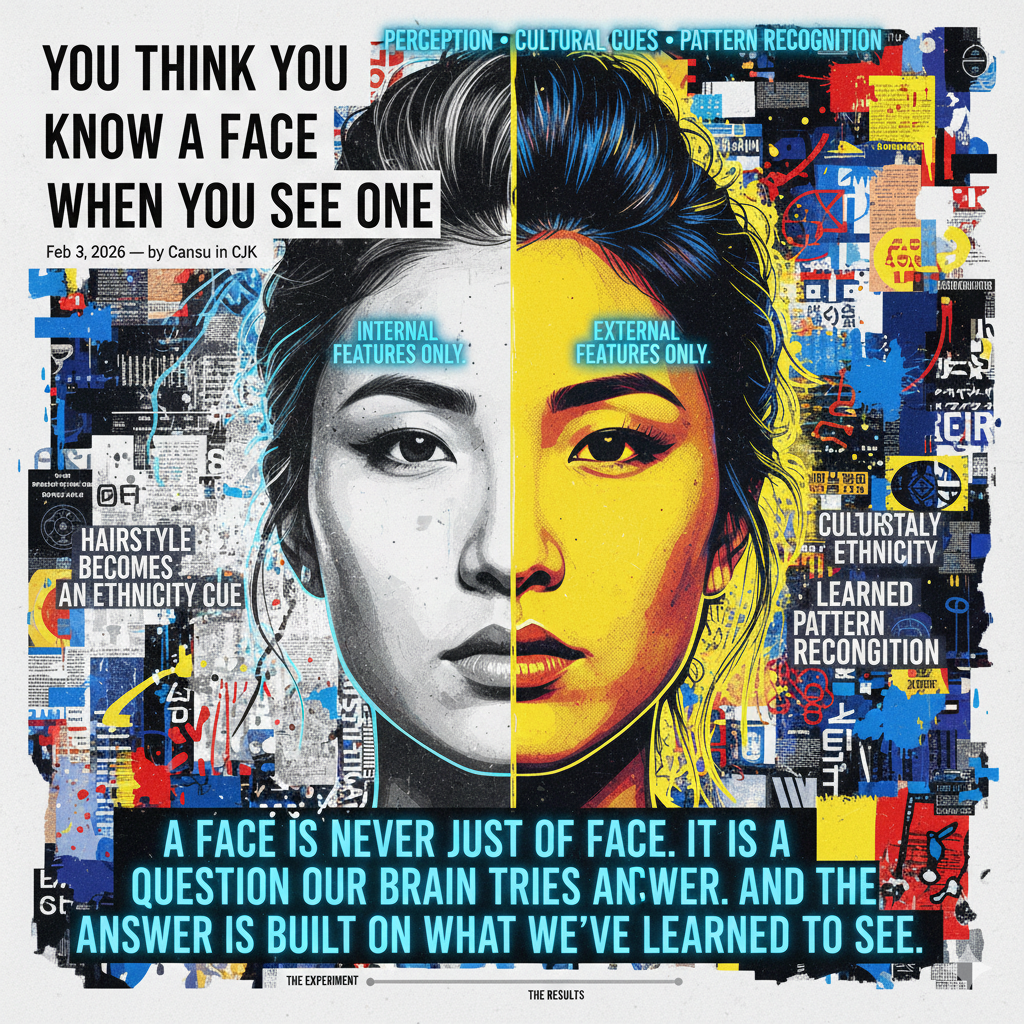
You Think You Know a Face When You See One
On external features, cultural cues, and the confidence we shouldn’t have A face is never just a face. When you see someone on the street, on a screen, across a café — your brain doesn’t just see them. It asks questions. Where are they from? Can I trust them? Are they like me? And before…
-
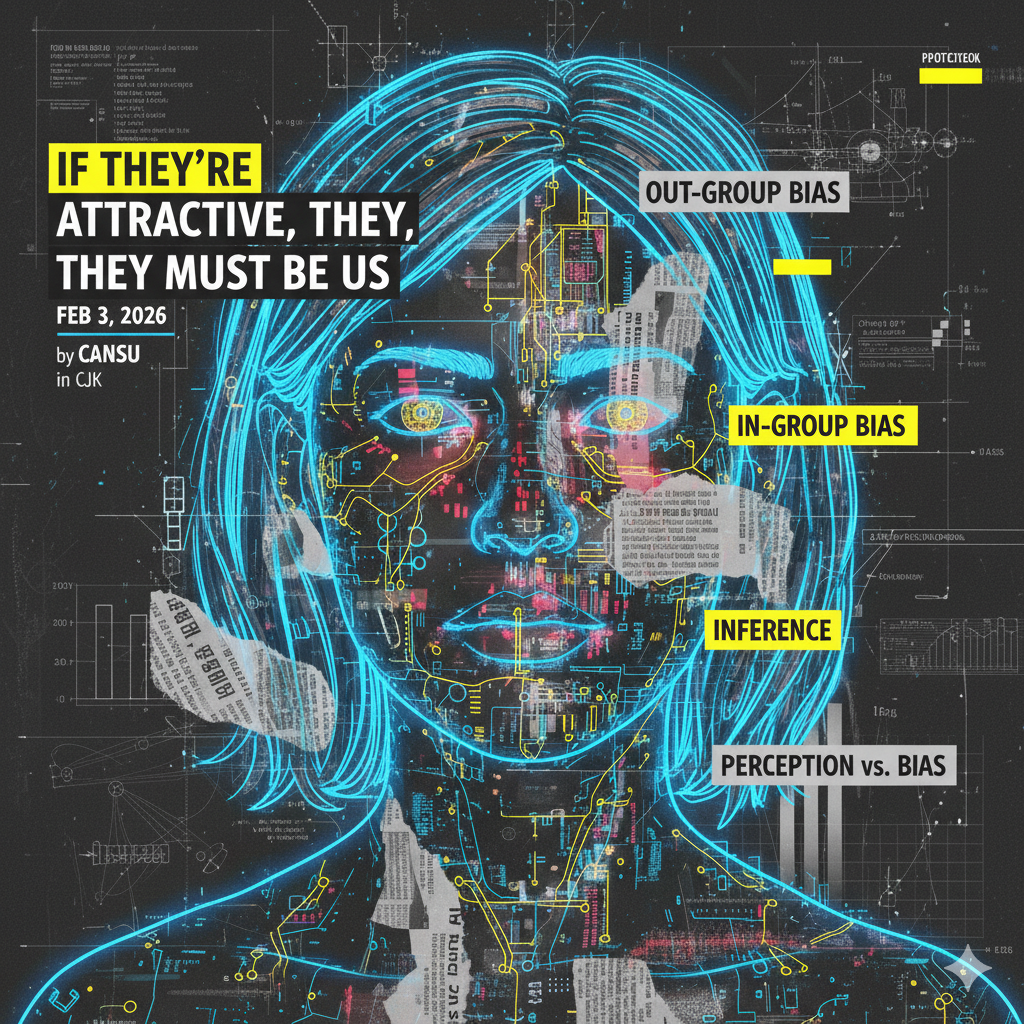
If They’re Attractive, They Must Be Us
On beauty, trust, and the bias we mistake for perception We don’t just see faces.We judge them. In milliseconds, before you’ve even registered it consciously, your brain has already decided:Attractive or not?Trustworthy or not?Like me or not?And here’s the twist:Those judgments don’t just describe what you see.They change what you see. What We Found (Part…
-

Machines See Pixels. You See Meaning.
On algorithms, accuracy, and the different realities we create We’ve learned something unsettling about how you see faces. Now it’s time to ask: What if we gave the same task to machines? Would they make the same mistakes?Would they rely on the same cues?Would they see what we see? The Setup We took the same…